By George Titus · 5 November 2026 · 4 min read
UAE AI exports took three new forms in October. Each one took something the UAE built for its own use and put it up for sale abroad. Abu Dhabi set up a company to license its government services app to other countries. G42 signed agreements to study an AI data centre in Greece. And a satellite built in Abu Dhabi reached orbit with customers already lined up for its data. At the Dubai AI Festival on 26 October, G42’s chief executive Peng Xiao said the UAE wants to go from exporting energy to exporting intelligence. We covered the computing side of that ambition in our piece on October’s Gulf data centre deals. The three stories below show what it looks like in practice, and how far each has got.

A government app becomes a company
On 16 October, Abu Dhabi’s Department of Government Enablement announced a new company, TAMM Global. It acts under the directives of Sheikh Khaled bin Mohamed, Crown Prince of Abu Dhabi. TAMM is the app Abu Dhabi uses to deliver government services. It started in 2005 and now brings together more than 1,200 services. The department says it saves each user about nine trips to service centres a year. It also says satisfaction has risen to 94.5 per cent.
TAMM Global will own and run the platform and hold its intellectual property. It will sell other governments the right to use its design, ready-made services and working methods. Buyers can then adapt these to their own laws. In addition, the company will train Emirati staff and invest at home and abroad. So far, the department has named no customer government.
Two more UAE AI exports, at different stages
On 22 October, Sheikh Khaled visited Athens. During the visit, the UAE and Greece signed 18 agreements worth €12.75 billion across energy, ports, health and technology. Among them, two G42 companies agreed with Greece’s Copelouzos Group to explore an “AI factory”. Khazna builds data centres, and Core42 is G42’s cloud unit. The AI factory would be a data centre with cloud and AI computing for banks, telecoms, shipping and government. Khazna would build it, and Core42 would run the computing.
Separately, Presight, another G42 company, will work with Greece’s digital ministry on AI for traffic, waste and water. In October, Presight also signed an agreement with Scale AI on testing AI agents. The Greek deals, however, are memorandums of understanding: agreements to explore, not contracts. G42 has given no site, schedule or cost. Also, the €12.75 billion covers all 18 agreements, not G42’s share.
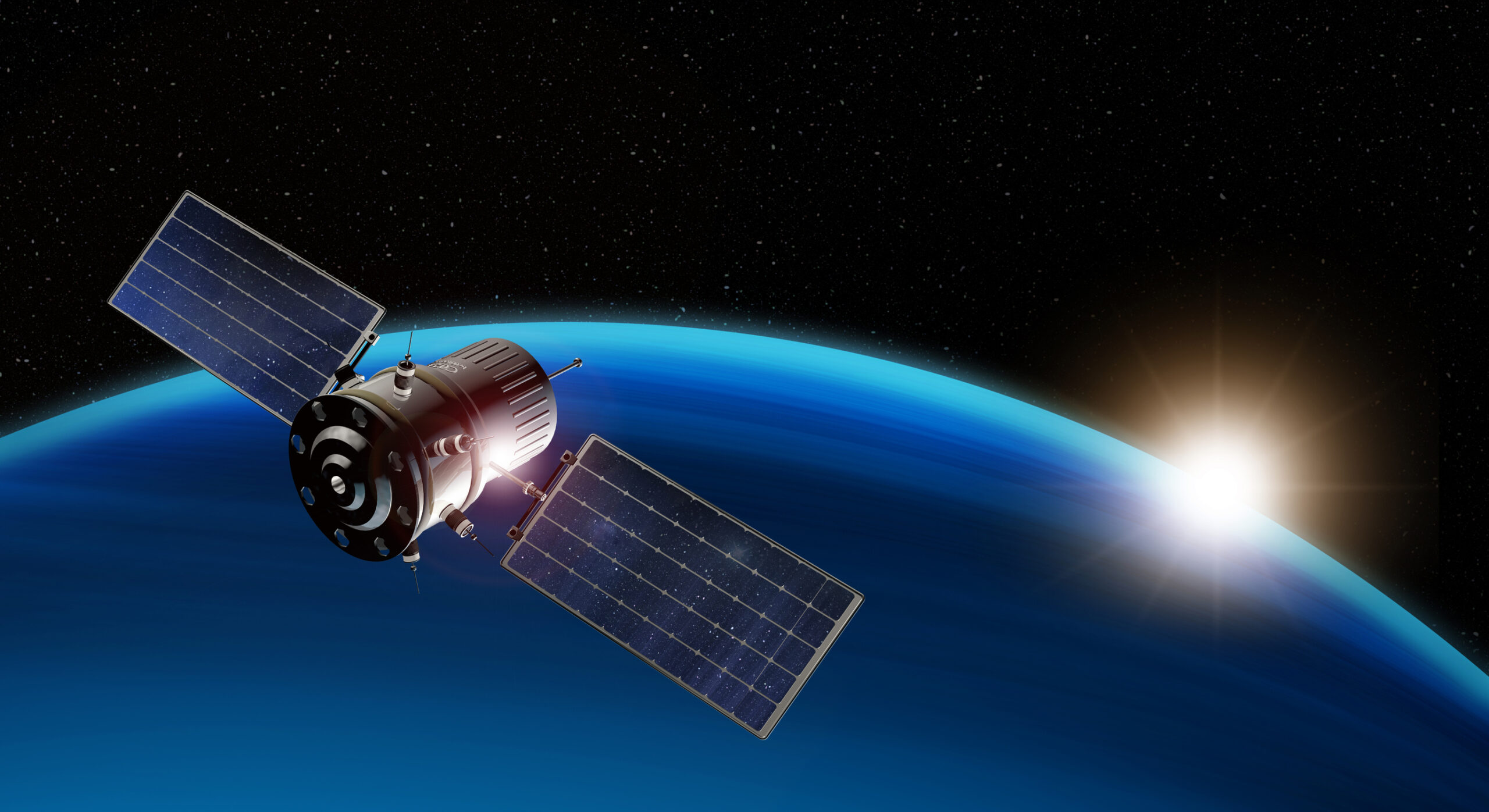
The satellite is further along. At the start of October, Altair-1, the first commercial satellite built in the UAE, reached orbit on a SpaceX rideshare. Orbitworks designed and assembled it in Abu Dhabi. It is the first of ten that Orbitworks plans to launch through 2027. Each carries Nvidia chips that process images on board. As a result, customers get results in minutes rather than hours. Orbitworks says it has first customers in Europe and the Middle East, including French government bodies. It is also talking to possible buyers in North America, Africa and Asia. Ahmad Belhoul Al Falasi, chairman of the UAE Space Agency, said the launch showed UAE-built systems could “deliver solutions with commercial value beyond our borders”. One satellite is up. Nine are still to launch.
How UAE AI exports are built
The three stories share a shape. In each case, the UAE built the thing for its own use first and ran it at home. Only then did it package it for sale. TAMM has 21 years of use behind it. Khazna and Core42 run G42’s home data centre and cloud businesses. Likewise, Orbitworks built its Abu Dhabi factory to supply the UAE’s own satellite network. So export is the second act. Two of the three also carry Sheikh Khaled’s name, which suggests a policy, not a coincidence. It is a sensible order to do things in, and the opposite of selling a plan.
However, the three sit at different points on the road from product to customer to revenue. Orbitworks has a product in orbit and customers it can point to. TAMM Global has a proven product but no foreign customer yet. G42 in Greece has partners and intent, but no product yet. In short, one of the UAE AI exports has moved from built to sold. The others may follow, but the announcements do not show it yet.
Where Gulf firms fit
For a company in the region, the practical point is the work around UAE AI exports. TAMM Global says it will build partnerships and train staff. An AI factory in Greece would need builders, suppliers and a team to run it. A ten-satellite network needs firms that turn its images into products for shipping, disaster response and security. The big players do the exporting. Meanwhile, the firms around them get the sub-contracts, the implementation work and the training. That is where most Gulf companies fit. It is also a better place to look than competing with the exporters head-on.
One caution. The numbers in these stories come from the sellers themselves. TAMM’s visit savings and satisfaction score are Abu Dhabi’s own figures. A government buying the platform will run its own checks. Similarly, Orbitworks has described its customers but not published contract values. None of this makes the exports less real. It simply means the revenue side is not yet visible.
What to watch
The first foreign government to sign with TAMM Global, and on what terms. A final agreement for the Greek AI factory, with a site, a size and a date. The second Altair launch, and a first customer outside Europe and the Middle East. For now, UAE AI exports amount to one satellite, one licensing company and a set of MoUs. That is a real start. It is also only a start.